Visit our website often for the latest in news and information concerning you and your family's health.

Nov 30th, -0001

Bootheel Navigator System of Care

ParentLink Navigators work in Missouri’s Bootheel area to help improve parents’ access to resources. Three Navigators are housed in the county health offices. Each Navigator splits their time between two county health offices:

1. Pemiscot and Dunklin Counties
2. Scott and Stoddard Counties
3. Mississippi and New Madrid Counties

The role of the Navigator is to assist parents and caregivers to fully connect with needed resources that relate to improving health and well-being. Physical and mental health resources, home visiting programs, developmental screenings, educational programs, legal services, housing, transportation supports, job training, etc. are some of the examples and types of care Navigators provide. Resources might be on a prevention, intervention, or treatment level.

To ensure full connections, Navigators help with access issues through advocating, transporting, emailing, writing, teaching, etc. For example, a caregiver may need prescription drugs, but needs help completing paperwork. The Navigator would help facilitate this process.

With the knowledge developed from each individual case, ParentLink will identify common problems to be addressed from a system perspective. This model not only creates a novel approach for practical, personal assistance, it creates a proactive framework for system change.

To learn more about ParentLink Navigators, contact Freda Kershaw at kershawf@missouri.edu.

Nov 30th, -0001
Nov 30th, -0001

Period of Purple Crying

The Period of PURPLE Crying is a new way to help parents understand this time in their baby's life, which is a normal part of every infant's development. It is confusing and concerning to be told your baby "has colic" because it sounds like it is an illness or a condition that is abnormal. When the baby is given medication to treat symptoms of colic, it reinforces the idea that there is something wrong with the baby, when in fact, the baby is going through a very normal developmental phase. That is why we prefer to refer to this time as the Period of PURPLE Crying. This is not because the baby turns purple while crying. The acronym is a meaningful and memorable way to describe what parents and their babies are going through.

The Period of PURPLE Crying begins at about 2 weeks of age and continues until about 3-4 months of age. There are other common characteristics of this phase, or period, which are better described by the acronym PURPLE. All babies go through this period. It is during this time that some babies can cry a lot and some far less, but they all go through it.

Scientists decided to look at different animal species to see if they go through this developmental stage.
So far, all breast feeding animals tested do have a similar developmental stage of crying more 
in the first months of life as human babies do.

When these babies are going through this period they seem to resist soothing. Nothing helps. Even though certain soothing methods may help when they are simply fussy or crying, bouts of inconsolable crying are different. Nothing seems to soothe them.

During this phase of a baby's life they can cry for hours and still be healthy and normal. Parents often think there must be something wrong or they would not be crying like this. However, even after a check-up from the doctor which shows the baby is healthy they still go home and cry for hours, night after night. "It was so discouraging," said one dad. "Our baby giggles and seems fine during the day and almost like clockwork, he starts crying around 6 pm. He is growing and healthy, so why does he cry like this?"

Often parents say their baby looks like he or she is in pain. They think they must be, or why would they cry so much. Babies who are going through this period can act like they are in pain even when they are not.

In my own case, I know my son was not sick. He was in the top percentile for growth, he giggled and was happy other times Then he would start to cry, and cry, and cry. The doctor kept telling me he is just fine.

After learning all of this, we decided we needed to share this information with other parents. We had to take this information and put it into a statement that told the story about this phase in a baby's life. Dr. Ronald Barr, a developmental pediatrician who has likely done more studies on infant crying than anyone in the world, came up with the phrase the Period of PURPLE Crying. His idea was to explain this phase to parents of new babies so they would know it was normal and they would be encouraged that it would come to an end.

The acronym PURPLE is used to describe specific characteristics of an infant's crying during this phase and let parents and caregivers know that what they are experiencing is indeed normal and, although frustrating, is simply a phase in their child's development that will pass. The word Period is important because it tells parents that it is only temporary and will come to an end.


Parents, after learning about Period of PURPLE Crying have said, "Finally they have called it something that describes what we are going through. This word colic was hard to get a handle on."

What is Purple Crying

Nov 30th, -0001

#HealthierMO

THE INITIATIVE


HELP US TRANSFORM PUBLIC HEALTH INTO A STRONGER SYSTEM THAT OFFERS EVERY MISSOURI RESIDENT THE OPPORTUNITY FOR A HEALTHIER LIFE.


The #HealthierMO grassroots initiative seeks to positively impact the health of Missouri residents by transforming our current public health system into a stronger, sustainable, culturally relevant and responsive system that can meet the challenges of our diverse communities. Phase one of this multi-phase initiative seeks to engage stakeholders from across the state in identifying what is working well and where we have opportunity for change. Stakeholders will work together to design evidence-informed strategies and develop an action plan. The initiative does not propose a quick fix, but rather advocates for long-term, system-wide change that will transform the future of public health in Missouri and offer every resident the opportunity for a healthier life.

Click here to Subscribe 

Support #HealthierMO - Find your Role

Connect

Nov 30th, -0001

Avoiding Diseases transmitted by ticks and mosquitoes

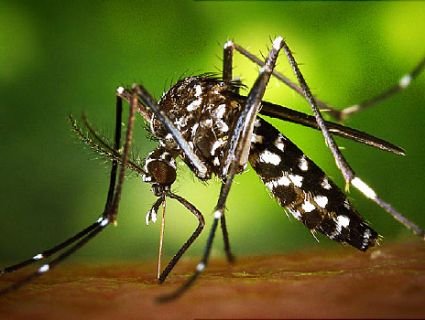
JEFFERSON CITY, Mo. – With warmer weather on the way, the Missouri Department of Health and Senior Services (DHSS) wants to remind those living in and visiting the state to take precautions against tick and mosquito bites. Both can transmit serious, and potentially deadly, illnesses and these insects can be active anytime the ground is not frozen.


“As spring arrives, we are reminded what a beautiful state Missouri is,” said Dr. Randall Williams, DHSS Director. “For all of us who enjoy the outdoors, it creates more opportunities to enjoy the state’s natural splendor. I especially enjoy running in our state’s parks and conservation areas. For those of us in public health, this time of year serves as a transition from flu season to the most prevalent time for diseases carried by ticks and mosquitoes.”

Missouri is home to a variety of tick species, meaning the state experiences a variety of tick-borne illnesses. In 2018, Missouri reported 587 cases of Rocky Mountain spotted fever and 369 cases of ehrlichiosis. In the United States, 60 percent of cases of Rocky Mountain spotted fever are in five states, with Missouri being one. At least six different types of tick-borne diseases in humans have been reported in Missouri, including Rocky Mountain spotted fever, ehrlichiosis, tularemia, Lyme disease, Heartland virus and Bourbon virus. West Nile virus is the most common virus spread by mosquitoes in the United States. In 2018, 23 cases were reported in Missouri. Many of these illnesses can be effectively treated if they are caught early, however, on occasion they can be deadly.

Ticks can be found throughout Missouri, primarily in wooded and brushy areas, tall grasses, and close to the ground in leaf litter. Objects that collect water are the primary breeding grounds for mosquitoes. Objects such as buckets, old tires, flower pots or clogged gutters are all items that can attract mosquitoes.

Flooding events can produce large amounts of mosquitoes. Historically, flooding events have not resulted in an increase in mosquito-borne disease illness reports. This is because the mosquitoes that emerge after flooding are not the same kinds of mosquitoes that transmit West Nile virus.  Mosquitoes that emerge after flooding events are strong fliers and aggressive biters, but they are nuisance species that do not pose a significant disease risk.

Despite the presence of ticks and mosquitoes, everyone can safely enjoy the outdoors by taking a few safety precautions.

“We encourage everyone to defend themselves by using insect repellent and performing careful body checks after being outdoors to prevent these diseases whenever and wherever you are in Missouri,” said Williams. “While the incidence of these diseases is low throughout the state, the severity of illness can be high in some patients. So as always, prevention remains our best advice.”  

DHSS recommends the following precautions to prevent tick and mosquito bites:

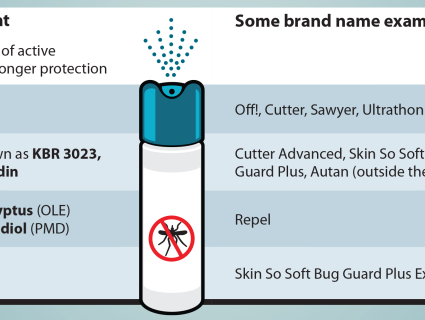
·         Use an insect repellent with DEET, picaridin or IR3535 as the active ingredient.  For ticks, look for a product with at least 20 percent concentration of one of these active ingredients.

·         Apply repellent to exposed skin for protection that lasts several hours whenever you spend time outdoors. DEET products should not be used on infants under two months of age. Always apply repellent products according to package instructions.

·         When possible, wear protective clothing (light colored, long sleeved shirts and pants) when outdoors to keep ticks off skin and make it easier to see ticks that are crawling on clothing.

·         Avoid areas including brushy areas, tall grasses, wood piles, and leaf litter. When hiking, stay near the center of trails to avoid ticks.

·         Reduce ticks around your home by keeping lawns mowed short, shrubs and trees trimmed, and remove leaf litter, wood piles, fallen branches, trash and debris from yards.

·         Reduce mosquitoes around your home by cleaning out gutters and remove anything in the yard that could hold standing water.

·         Those with pets should talk with their veterinarian about use of tick prevention treatments. Regularly check pets for ticks.

·         Check for ticks while outdoors and again after returning from the outdoors. If possible you should change clothes and shower soon after spending time outdoors.

Preventing bites is the best way to avoid getting sick from any number of diseases that ticks and mosquitoes can carry. Just one bite can lead to serious illness. If you find an attached tick, do not panic. The tick should be removed promptly. The longer it is attached, the greater the risk of infection. To remove ticks:

Using tweezers, grasp tick near its mouth and as close to your skin as possible.
Pull tick firmly, straight out, away from skin. Do not jerk or twist the tick.
Do NOT use alcohol, matches, liquid soap or petroleum jelly to remove a tick.
Wash your hands and the bite site with soap and water after the tick is removed. Apply an antiseptic to the bite site.


If bit by a mosquito, wash the site with soap and water. Anti-itch cream or an ice pack can alleviate pain or itching.

Everyone should be aware of the signs and symptoms of tick- and mosquito-borne diseases, which can vary among individuals and differ according to the disease. In general, a sudden high fever, severe headache, muscle or joint aches, nausea, vomiting or diarrhea can be signs of these types of diseases.  Additionally, a possible sign of tick-borne disease is a pus-filled wound that appears at the site of a tick bite, or a rash that follows a tick bite. You should consult your health care provider if experiencing these symptoms. If these symptoms occur following a bite, or even after exposure to a tick habitat, be sure to tell your health care provider. 

More about tick-borne disease

Insect Repellent FAQs

Nov 30th, -0001

Summer Food Locations

Risco

Risco Public School

101 Locust St.

Risco, MO 63874

MTWTH

11:45am – 12:15pm

5/21/18 – 6/29/18

New Madrid

New Madrid City Park

Mill Street and Davis Street

New Madrid, MO 63869

MTWTHF

12:15pm – 12:35pm

5/21/18 – 8/3/18

OBannon Park

100 Pinnell Street

New Madrid, MO 63869

MTWTHF

11:15am – 12:00pm

5/21/18 – 8/3/18

St Anne Park

St Anne and St Bridgett

New Madrid, MO 63869

MTWTHF

11:45am – 12:00pm

5/21/18 – 8/3/18

New Madrid Garden Apartments

One Blades Dr.

New Madrid, MO 63869

MTWTHF

11:15am – 11:35am

5/21/18 – 8/3/18

Lilbourn

Life Changers Ministries

320 Coleman St.

Lilbourn, MO 63862

MTWTHF

11:30am – 12:30pm

5/21/18 – 8/3/18

Canalou

Canalou City Hall

110 East Madison St

Canalou, MO 63828

MTWTHF

12:00pm – 12:30pm

5/21/18 – 8/3/18

Gideon

Gideon School

400 North Main

Gideon, MO 63848

MTWTHF

11:45am – 12:15pm

5/18/18 – 6/29/18

Portageville

Portage Village Apartments

99 Portage Village

Portageville, MO 63873

MTWTHF

11:30am – 12:00pm

5/21/18 – 8/3/18

Portageville Elementary Cafeteria

1108 King Ave.

Portageville, MO 63873

MTWTHF

7:30am – 8:00am

11:00am – 12:00pm

5/14/18 – 6/11/18

Portageville High School

904 King Ave

Portageville, MO 63873

MTWTHF

7:30am – 8:00am

11:30am- 12:00pm

5/14/18 – 6/11/18

Lakeview Apartments

65 Lakeview Dr.

Portageville, MO 63873

MTWTHF

12:15pm – 12:45pm

5/21/18 – 8/3/18

Tallapoosa

100 Gerkin St.

Tallapoosa, MO 63878

MTWTHF

12:00pm – 12:30pm

5/21/18 – 8/38/18

Marston

Marston City Park

201 Delisle St.

Marston, MO 63866

MTWTHF

11:30am – 12:00pm

5/21/18 – 8/3/18

Howardville

Howardville Apartments

49 West Laura

Howardville, MO 63869

MTWTHF

12:30pm – 1:00pm

5/21/18 – 8/3/18

Nov 30th, -0001

Zika Virus


Test confirms traveler infected with Zika virus
The Missouri Department of Health and Senior Services confirmed a case of Zika virus in a non-pregnant Missouri woman who traveled to Puerto Rico. This case brings the total number of travel-related cases found in Missouri to 30.
Nearly 80 percent of people infected with the virus will have no symptoms. Typically, symptoms are mild and include fever, rash, joint soreness and/or redness of eyes.
International health officials have found a connection between pregnant women contracting the virus and a birth defect called microcephaly in their newborn infants. According to the CDC, babies with microcephaly often have smaller head sizes and brains that might not have developed properly.
According to the CDC, Zika virus has the potential to be spread through a mosquito bite, through unprotected sexual contact, through blood transfusion and an infected pregnant woman can pass Zika virus to her fetus during pregnancy.
There is not currently a vaccine for Zika virus. The best prevention measure is to avoid mosquito bites in areas with ongoing transmission. There have been no reported cases of Zika virus contracted from a mosquito bite in Missouri. Ways to avoid mosquito bites while outdoors include wearing EPA-registered insect repellent with DEET, wearing pants and long sleeves, or remaining indoors in an air conditioned environment.
The CDC is recommending pregnant women avoid traveling to Zika-affected areas which include areas of Florida and countries ranging from Mexico into the Caribbean, Central America and South America.
All travelers returning from these areas should take precautions like wearing EPA-registered insect repellent to avoid mosquitoes. Additionally, all travelers to these areas should abstain from sex or use condoms for at least eight weeks after returning. If a traveler or a traveler's partner is pregnant or trying to become pregnant, a doctor should be consulted for specific guidance. Also, returning travelers should immediately contact their health care providers if at any point they feel they may have Zika virus. 
Since the beginning of the year, DHSS has regularly updated health care providers and the public about Zika virus in addition to coordinating the approval of Missourians for testing.
Please consult our additional resources for more information about Zika virus: http://health.mo.gov/living/healthcondiseases/communicable/zika/.
Nov 30th, -0001

Prevent Mosquito Bites

Use Insect Repellent

1. Use Environmental Protection Agency (EPA)-registered insect repellents with one of the following active ingredients. When used as directed, EPA-registered insect repellents are proven safe and effective, even for pregnant and breastfeeding women.

Tips for Everyone

Always follow the product label instructions.
Reapply insect repellent as directed.
Do not spray repellent on the skin under clothing.
If you are also using sunscreen, apply sunscreen first and insect repellent second.
Tips for Babies & Children

An adult male applying insect repellent to a child's face
Always follow instructions when applying insect repellent to children.
Do not use insect repellent on babies younger than 2 months old.
Do not apply insect repellent onto a child's hands, eyes, mouth, and cut or irritated skin.
Adults: Spray insect repellent onto your hands and then apply to a child's face.
Do not use products containing oil of lemon eucalyptus (OLE) or para-menthane-diol (PMD) on children under 3 years old.
Natural insect repellents (repellents not registered with EPA)

We do not know the effectiveness of non-EPA registered insect repellents, including some natural repellents.
To protect yourself against diseases like chikungunya, dengue, and Zika, CDC and EPA recommend using an EPA-registered insect repellent.
Choosing an EPA-registered repellent ensures the EPA has evaluated the product for effectiveness.
Visit the EPA website to learn more.
a babies crib covered by a mosquito net

2. Protect your baby or child

Dress your child in clothing that covers arms and legs.
Cover crib, stroller, and baby carrier with mosquito netting.
a bottle of insect repellent shown spraying clothing

3. Treat clothing and gear

Treat items, such as boots, pants, socks, and tents, with permethrin or buy permethrin-treated clothing and gear.
Permethrin-treated clothing will protect you after multiple washings. See product information to find out how long the protection will last.
If treating items yourself, follow the product instructions.
Do not use permethrin products directly on skin.
a mosquito protected house

4. Take steps to control mosquitoes inside and outside your home

Use screens on windows and doors. Repair holes in screens to keep mosquitoes outside.
Use air conditioning when available.
Once a week, empty and scrub, turn over, cover, or throw out items that hold water, such as tires, buckets, planters, toys, pools, birdbaths, flowerpots, or trash containers. Check inside and outside your home. Mosquitoes lay eggs near water.

Nov 30th, -0001

Flu Basics - Seasonal

Influenza (flu) is a contagious respiratory illness caused by influenza viruses. It can cause mild to severe illness. Serious outcomes of flu infection can result in hospitalization or death. Some people, such as older people, young children, and people with certain health conditions, are at high risk for serious flu complications. The best way to prevent the flu is by getting vaccinated each year.

The upcoming season's flu vaccine will protect against the influenza viruses that research indicates will be most common during the season. This includes an influenza A (H1N1) virus, an influenza A (H3N2) virus, and one or two influenza B viruses, depending on the flu vaccine.

What is Influenza (also called Flu)?

The flu is a contagious respiratory illness caused by influenza viruses that infect the nose, throat, and lungs. It can cause mild to severe illness, and at times can lead to death. The best way to prevent the flu is by getting a flu vaccine each year.

Signs and Symptoms of Flu

People who have the flu often feel some or all of these signs and symptoms:

Fever* or feeling feverish/chills
Cough
Sore throat
Runny or stuffy nose
Muscle or body aches
Headaches
Fatigue (very tired)
Some people may have vomiting and diarrhea, though this is more common in children than adults.
*It's important to note that not everyone with flu will have a fever.

How Flu Spreads

Most experts believe that flu viruses spread mainly by droplets made when people with flu cough, sneeze or talk. These droplets can land in the mouths or noses of people who are nearby. Less often, a person might also get flu by touching a surface or object that has flu virus on it and then touching their own mouth, eyes or possibly their nose.

Period of Contagiousness

You may be able to pass on the flu to someone else before you know you are sick, as well as while you are sick. Most healthy adults may be able to infect others beginning 1 day before symptoms develop and up to 5 to 7 days after becoming sick. Some people, especially young children and people with weakened immune systems, might be able to infect others for an even longer time.

Onset of Symptoms

The time from when a person is exposed to flu virus to when symptoms begin is about 1 to 4 days, with an average of about 2 days.

Complications of Flu

Complications of flu can include bacterial pneumonia, ear infections, sinus infections, dehydration, and worsening of chronic medical conditions, such as congestive heart failure, asthma, or diabetes.

People at High Risk from Flu

Anyone can get the flu (even healthy people), and serious problems related to the flu can happen at any age, but some people are at high risk of developing serious flu-related complications if they get sick. This includes people 65 years and older, people of any age with certain chronic medical conditions (such as asthma, diabetes, or heart disease), pregnant women, and young children.

Preventing Flu

The first and most important step in preventing flu is to get a flu vaccination each year. CDC also recommends everyday preventive actions (like staying away from people who are sick, covering coughs and sneezes and frequent handwashing) to help slow the spread of germs that cause respiratory (nose, throat, and lungs) illnesses, like flu.

Diagnosing Flu

It is very difficult to distinguish the flu from other viral or bacterial causes of respiratory illnesses on the basis of symptoms alone. There are tests available to diagnose flu. For more information, see Diagnosing Flu.

Nov 30th, -0001

How Healthy is Your Community?

The annual Rankings provide a revealing snapshot of how health is influenced by where we live, learn, work and play. They provide a starting point for change in communities. 

To view the state of Missouri or any other states visit http://www.countyhealthrankings.org/

To view the state of Missouri and the counties in Missouri visit http://www.countyhealthrankings.org/app/missouri/2018/overview

To view New Madrid County visit http://www.countyhealthrankings.org/app/missouri/2018/rankings/new-madrid/county/outcomes/overall/snapshot

Nov 30th, -0001

What Is Community Water Fluoridation?

From the Mouth Healthy ADA American Dental Association

http://www.mouthhealthy.org/en/az-topics/f/fluoridation

Fluoridation


Adding fluoride to public water supplies is a safe and effective way to prevent tooth decay and has played a major role in in improving the public’s dental health for 70 years. "Fluoride’s effectiveness in preventing tooth decay extends throughout one’s life, resulting in fewer—and less severe̵—cavities," says Surgeon General Vivek H. Murthy. Read on to learn more about what the Centers for Disease Control and Prevention (CDC) has proclaimed as one of 10 great public health achievements of the 20th century.

What Is Community Water Fluoridation?   

Fluoridation of community water supplies is simply the adjustment of the existing, naturally occurring fluoride in drinking water to an optimal level for the prevention of tooth decay. Think of it this way: Water that has been fortified with fluoride is similar to fortifying milk with Vitamin D, table salt with iodine, and bread and cereals with folic acid.

The number of communities who make the choice to fluoridate their water continues to grow. From 2000-2014, more than 449 U.S. communities in 42 states have voted to adopt or retain successful fluoridation programs. The latest data show that in 2012, 74.6% of the U.S. population on public water systems, or a total of 210.7 million people, had access to optimally fluoridated water.

How Much Fluoride Is Recommended In Community Water Systems?

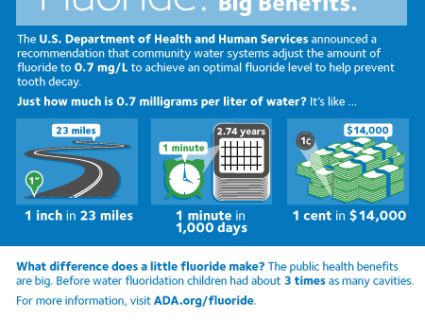
It is recommended that community water systems adjust the amount of fluoride to .7 milligrams per liter of water. Use the chart below to see what that amount is equivalent to.

5 Reasons Why Fluoride in Water is Good for Communities

  1. Prevents tooth decay. Fluoride in water is the most efficient way to prevent one of the most common childhood diseases – tooth decay. An estimated 51 million school hours are lost each year due to dental-related illness, and one study has shown that children who live in communities without fluoridation are three times more likely to end up in the hospital to undergo dental surgery. 
  2. Protects all ages against cavities. Studies show that fluoride in community water systems prevents at least 25 percent of tooth decay in children and adults, even in an era with widespread availability of fluoride from other sources, such as fluoride toothpaste. Why fluoride is called nature's cavity fighter.
  3. Safe and effective. For 70 years, the best available scientific evidence consistently indicates that community water fluoridation is safe and effective. It has been endorsed by numerous U.S. Surgeons General, and more than 100 health organizations recognize the health benefits of water fluoridation for preventing dental decay, including the Centers for Disease Control and Prevention, the American Medical Association, the World Health Organization and the American Dental Association.
  4. Saves money. When it comes to the cost of treating dental disease, everyone pays. Not just those who need treatment, but the entire community – through higher health insurance premiums and higher taxes. The average lifetime cost per person to fluoridate a water supply is less than the cost of one dental filling. For most cities, every $1 invested in water fluoridation saves $38 in dental treatment costs.
  5. It’s natural. Fluoride is naturally present in groundwater and the oceans. Water fluoridation is the adjustment of fluoride to a recommended level for preventing tooth decay. It’s similar to fortifying other foods and beverages, like fortifying salt with iodine, milk with vitamin D, orange juice with calcium and bread with folic acid.

If you have specific questions about your family’s fluoride needs, please contact your family dentist, pediatrician or physician.

Next: Why fluoride is like a superhero in your mouth >>

For additional information on fluoridation visit:

Nov 30th, -0001

Sick with the FLU

https://www.cdc.gov/flu/consumer/treatment.htm

Most people with the flu have mild illness and do not need medical care or antiviral drugs. If you get sick with flu symptoms, in most cases, you should stay home and avoid       contact with other people except to get medical care.